P/N 2455038-2: General Aviation Cooling Component
P/N 2455038-2: General Aviation Cooling Component
Blog Article
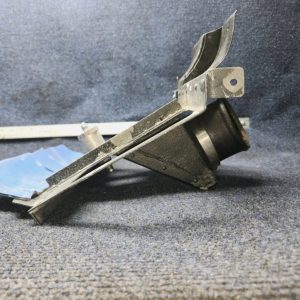
The Cessna 172RG Rear RH Baffle Assembly
The Cessna 172RG Rear Right-Hand Baffle and Cessna 172RG Engine Baffle terms describe related engine-compartment structures, while Aircraft Engine Baffle Assembly the exact Cessna 172RG Cooling Baffle should remain identified by P/N 2455038-2.
The Cessna Cutlass Engine Baffle, Cessna 172RG Baffle Assembly, Rear RH Engine Baffle, and Aircraft Engine Baffle Assembly describe related cooling-air components located within the engine compartment.
The Cessna Engine Cooling Baffle works with other Cessna 172RG Engine Compartment Parts to reduce unwanted air leakage and direct airflow through intended cooling paths.
The Cessna Aircraft Engine Baffle, Engine Cooling Baffle Assembly, Cessna Cutlass Cooling System Part, and Cessna 172RG Replacement Baffle terms represent related maintenance and commercial searches.
Key Identification Details for the Cutlass Baffle
The seller should provide photographs of identification markings, flanges, holes, brackets, edges, formed contours, and previous repairs.
Any alternate number, superseded number, drawing reference, repair marking, or donor-aircraft serial number should remain connected with the component.
Function of the Rear Right-Hand Baffle
System-level inspection supports more effective engine-compartment maintenance.
Cooling performance depends on proper pressure differences, sealed boundaries, suitable airflow paths, and accurate baffle positioning.
Verifying Fitment Before Purchase
Aircraft-specific verification helps prevent unsuitable substitution and expensive rework.
A component that fits one aircraft approximately may still interfere with another installation.
Understanding Formed Aluminum Cooling Panels
The exact material, thickness, temper, finish, and construction should be confirmed through applicable technical information when required.
The baffle should be supported correctly during storage and shipment to prevent bending.
Assessing a Used Cessna Baffle
Paint, oil residue, dirt, and old seal material can conceal findings that require closer review.
Cracks can begin near holes, bends, notches, bracket ends, and areas where the sheet metal has been repeatedly flexed.
Baffle Seal Condition and Air Leakage
Old seals may be useful as templates even when they are unsuitable for continued service.
Careful seal fitting supports more consistent cooling-air control.
Engine Compartment Contamination Concerns
Surface staining may be minor, while pitting, material loss, exfoliation, or corrosion around holes can require more extensive action.
Responsible corrosion prevention supports long-term component value.
Inspecting Rear Baffle Attachment Points
Fastener holes should be checked for elongation, cracking, burrs, corrosion, double drilling, fretting, and evidence of repeated removal.
Old hardware should not be reused automatically because it fits the existing holes.
Planning a Complete Baffle Repair
Every supporting component should be identified by part number, position, condition, and required quantity.
Used Cessna 172RG Engine Compartment Parts should be evaluated individually rather than accepted solely because they came from the same donor aircraft.
Avoiding Unnecessary Component Replacement
A damaged rear RH baffle may contribute to cooling-air leakage, but it may not be the only cause of an abnormal indication.
Cleaning or replacing one baffle should not be presented as a guaranteed cooling improvement.
Rear RH Baffle Replacement Versus Repair
Repair should not be selected only because it appears less expensive initially.
Unauthorized welding, oversized fasteners, excessive material removal, or uncontrolled bending can reduce suitability.
Cessna Cutlass Engine Parts for Sale
A clean appearance can improve presentation but does not replace detailed inspection.
Dimensions and detailed photographs should be supplied before shipping arrangements are finalized.
Evaluating P/N 2455038-2
The buyer should request enough information for qualified maintenance personnel to evaluate the component before purchase.
- Confirm the complete part number, donor-aircraft model, donor serial number, rear right-hand position, engine configuration, modification status, and available traceability.
- Inspect the baffle for cracks, corrosion, pitting, dents, buckling, distortion, elongated holes, fretting, broken brackets, damaged flanges, and previous repairs.
- Inspect and photograph the assembly immediately after delivery before cleaning, stripping, drilling, bending, repairing, painting, or installation.
Preventing Damage During Storage
The shipping container should resist crushing, puncture, vibration, and uncontrolled movement.
Heavy objects should never be stacked on the baffle.
Installing the Cessna 172RG Rear RH Baffle
Installation should be completed by appropriately qualified aviation maintenance personnel using applicable aircraft, engine, parts, and maintenance information.
Protective finishes and seal materials should be compatible with the intended engine-compartment environment.
Disciplined installation and documentation protect the Cessna 172RG Rear RH Baffle Assembly
Maintaining the Cessna 172RG Cooling System
Cleaning should preserve evidence long enough for maintenance findings to be documented.
Recurring cracks or loose attachments should prompt investigation of vibration, alignment, and supporting hardware.
Final Thoughts on the Cessna Cutlass Baffle
P/N 2455038-2 can become a valuable engine-compartment component.
Buyers should request current photographs, accurate measurements, transparent condition information, protective shipping, secure transaction terms, and qualified maintenance review.
Whether the component is purchased for scheduled maintenance, corrosion replacement, cooling-system repair, accident recovery, restoration, or spare-parts support, transparent information and professional oversight provide the strongest foundation.
With verified identity, suitable material condition, accurate geometry, professional installation, organized documentation, and routine inspection, the baffle can provide dependable long-term value.
Report this page